|
|
|
|
Mulatto /Creole Settlers of the Americas' |
 |
| |
|
|
As Most of Us are aware, the European powers Settled North America.. The English along the Eastern Seaboard, The French in Canada and the Mississippi valley and the Spanish in Mexico and the West...These territories were completely seperate and with totally different Cultures and people that settled the areas...
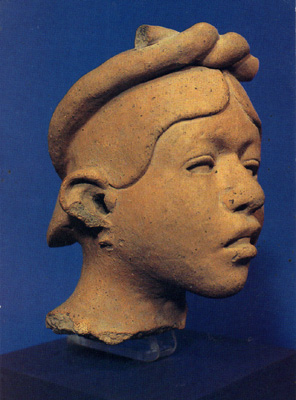
.The Spanish of course Conquered the Azteca population of Mexico and therefore created a seperate People, but all these new people were not Mestizos...Some were Indians some were Spanish and a Great deal were Africans and Mulattos...Yes! there was a Huge slave population in Mexico at one time but as time went by the importation of slavery into the Mexican colony was stopped...There remained a huge population of Africans and mulattos that co-existed with the Mestizo population.
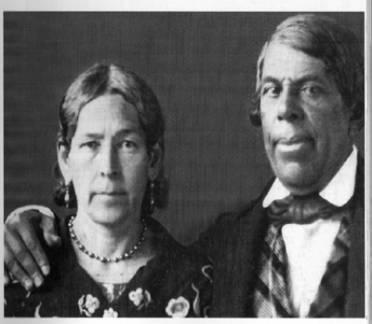
During the Colonial period Many of these Mulattos and African people played a significant part in developing and settling the Mexican Country during It's infancy ...Many were the first, along with the Spanish and Indians to explore and settle the unchartered lands to the North.(California) Not only did They leave a legacy in the development of the political system but they played a Major role in settling California..
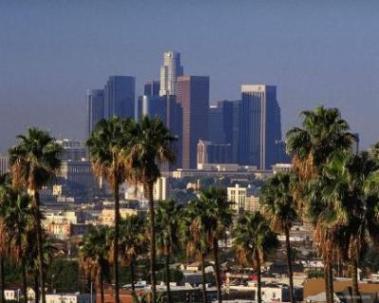
.The great Cities of California, Los Angeles, San Diago, San Francisco, San Jose and many more, were established and jointly settled by these Native Black and Mulatto Mexican People...I have included the list of names of some of these forgotten People...History has always been harsh on People that bear the African blood and many times they and their accomplishments are largely ignored..
.We have included for you the names of these settlers so that they will never be forgotten for the tremendous contirbutions that they Have made in the development of Mexico, California and a great deal of the the American Contitnent
|
| |
| The Founding of Los Angeles Califorina |
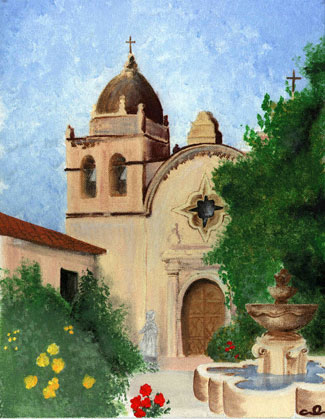
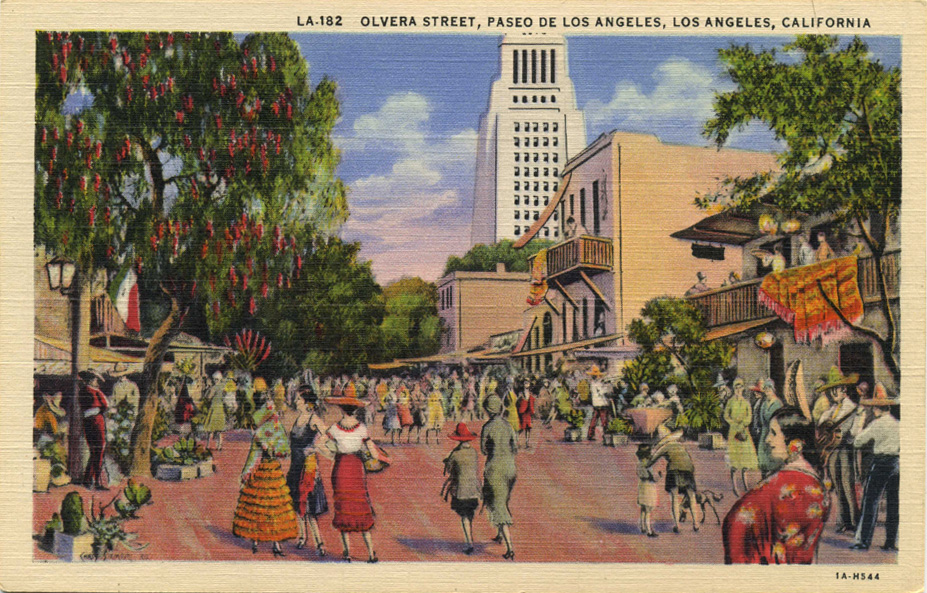
In 1771, Franciscan friar Junípero Serra built the Mission San Gabriel Arcangel near Whittier Narrows, in what is now called San Gabriel Valley.[7] In 1777, the new governor of California, Felipe de Neve, recommended to the viceroy of New Spain that the site recommended by Juan Crespi be developed into a pueblo. The town was founded on September 4, 1781 by a group of 44 settlers and was named "El Pueblo de Nuestra Señora la Reina de los Ángeles del Río de Porciúncula," ("The Town of Our Lady the Queen of the Angels on the River Porciúncula").[8] These settlers were of Filipino, Native American, African, and Spanish ancestry, with two-thirds being mestizo or mulatto. A majority of the settlers had some African ancestry.[9] The settlement remained a small ranch town for decades, but by 1820 the population had increased to about 650 residents.[10] Today, the pueblo is commemorated in the historic district Olvera Street, the oldest part of Los Angeles.[11]
Source
|
|
Recorded Family Head |
Age |
Race |
Birthplace |
Name, Age & Race of Spouse |
Children*** |
Manuel Camero* |
30 |
Mulatto |
Nayarit |
Maria Tomasa (24, Mulatta) |
None |
Jose Fernando de Velasco y Lara |
50 |
Spaniard |
Spain |
Maria Antonia Campos (23, Indian) |
3 |
Antonio Mesa |
38 |
Black |
Sinaloa |
Ana Gertrudis (27, Mulatto) |
2 |
Jose Cesario Moreno* |
22 |
Mulatto |
Sinaloa |
Maria Guadalupe Gertrudis Perez (19, Mulatta) |
None |
Jose Antonio Navarro |
42 |
Mestizo |
Sinaloa |
Maria Regina Dorotea Glorea de Soto (47, Mulatta) |
3 |
Luis Manuel Quintero |
55 |
Black |
Jalisco |
Maria Petra Rubio (40, Mulatta) |
5 |
Pablo Rodriguez |
25 |
Indian |
Sinaloa |
Maria Rosalia Noriega (26, Indian) |
1 |
Alejandro Rosas* |
19 |
Indian |
Sinaloa |
Juana Rodriguez (20, Indian) |
None |
Jose Antonio Basilio Rosas |
67 |
Indian |
Durango |
Maria Manuela Calixtra Hernandez (43, Mulatta) |
6 |
Jose Maria Vanegas** |
28 |
Indian |
Jalisco |
Maria Bonifacia Maxima Aguilar (20, Indian) |
1 |
Antonio Clemente Felix Villavicencio |
30 |
Spaniard |
Chihuahua |
Maria de los Santos Flores (26, Indian) |
1 |
*Married just prior to leaving for the new pueblo because new settlers were required to heads of families.
**Vanegas was appointed to be the first alcalde (mayor).
***Children at the time of the settlement of the Pueblo. Some of these settlers went on to have other children.
A twelfth settler, Antonio Miranda Rodriguez, a 50-year-old Filipino, and his 11 year-old daughter were also slated to settle in the new pueblo.
They set out with the rest of the pobladores in early 1781 enroute to their new home. While in Baja California, however, they were among those
who fell ill to smallpox and remained there for an extended time to recuperate. When they finally arrived in Alta California (the present-day State
of California), it was discovered that Miranda Rodriguez was a skilled gunsmith. He was subsequently reassigned to the Santa Barbara Presidio in
1782 to be an armorer.
Maria Guadalupe Gertrudis Perez, wife of Jose Moreno, was the last surviving original settler. She died in 1860, having lived almost 100 years.
Her granddaughter, Catalina Moreno, married Don Andres Pico, brother of Pio Pico and Mexican military commander at the Battle of San Pascual.
Whatever Happened to the Original Settlers?
Antonio Clemente Felix Villavicencio - Moved to Santa Barbara in 1797. Died there in 1802.
Jose de Velasco y Lara - Received permission to move to Ventura in 1782 to establish the Mission San Buenaventura and later to Santa Barbara to
establish the presidio. Died in Nayarit on an unfortunate return trip to Mexico in 1783*.
Luis Quintero - Received permission along with Jose de Velasco y Lara to move to Ventura in 1782 to establish the Mission San Buenaventura and later
to Santa Barbara to establish the presidio. He may have wished to be near his three daughters who had married soldiers stationed at the presidio in Santa
Barbara. Died in Santa Barbara in 1810.
Antonio Mesa - Apparently became disillusioned with the hardships in Alta California and received permission to return to Sonora, Mexico in 1782.
Jose Antonio Navarro - Sent to San Jose in 1790 and later to the Presidio in San Francisco. Buried at the Mission Dolores in San Francisco in 1793.
Pablo Rodriguez - Moved to San Diego in 1796 then to San Juan Capistrano. Buried at the Mission San Juan Capistrano in 1816.
Jose Vanegas - Remained in Los Angeles for 20 years during which he served as its first alcalde (mayor). Upon the death of his wife in 1801, moved to San
Diego and the Mission San Luis Rey.
Manuel Camero - Remained in Los Angeles. Served as a Los Angeles regidor (councilman). Died here in 1819.
Jose Moreno - Remained in Los Angeles. Served as a Los Angeles regidor. Buried at Mission San Gabriel in 1806.
Alejandro Rosas - Remained in Los Angeles. He and his wife died here only a month apart in December 1788 and January 1789.
Jose Antonio Rosas - Remained in Los Angeles. Buried at the Mission San Gabriel in 1809.
* Jose de Velasco y Lara was ordered back to Mexico by the authorities when he confessed to Father Junipero Serra that his first wife, whom he had maintained had died,
might actually still be alive. He was already remarried with children. He unfortunately never returned to see his second wife and children in Santa Barbara, having died not
long after returning to Nayarit.
|
|
|
|
|
 |
 |
|