African American Doll
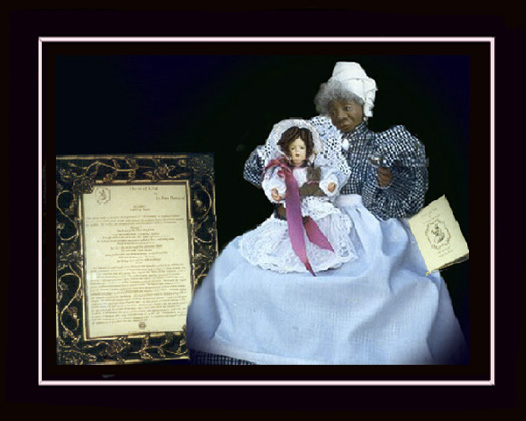
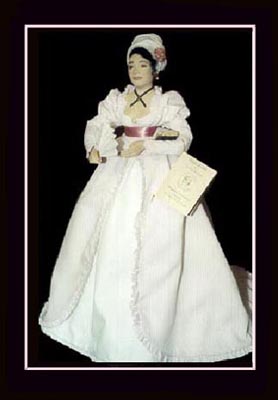
Creole of Color Doll with Tignon


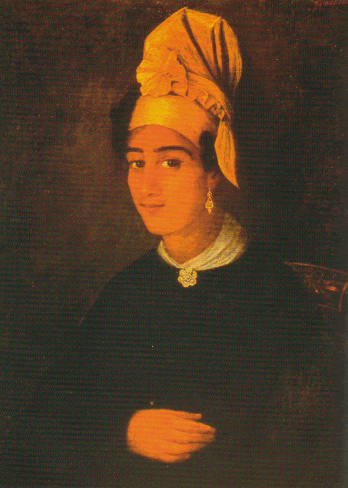
A Free Person of Color... Louisiana
 
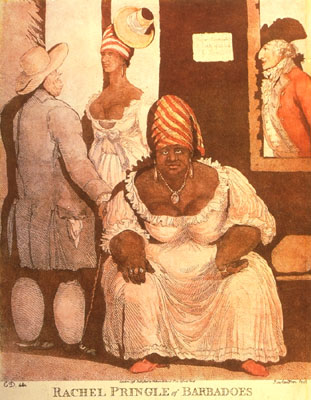
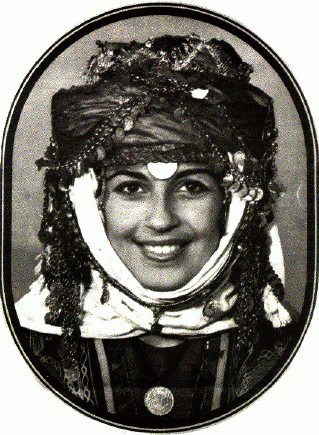
A Creole of color....// wearing a tignon, a required head-covering during the slave era that evolved into fashionable headress. (Historic New Orleans Collection)

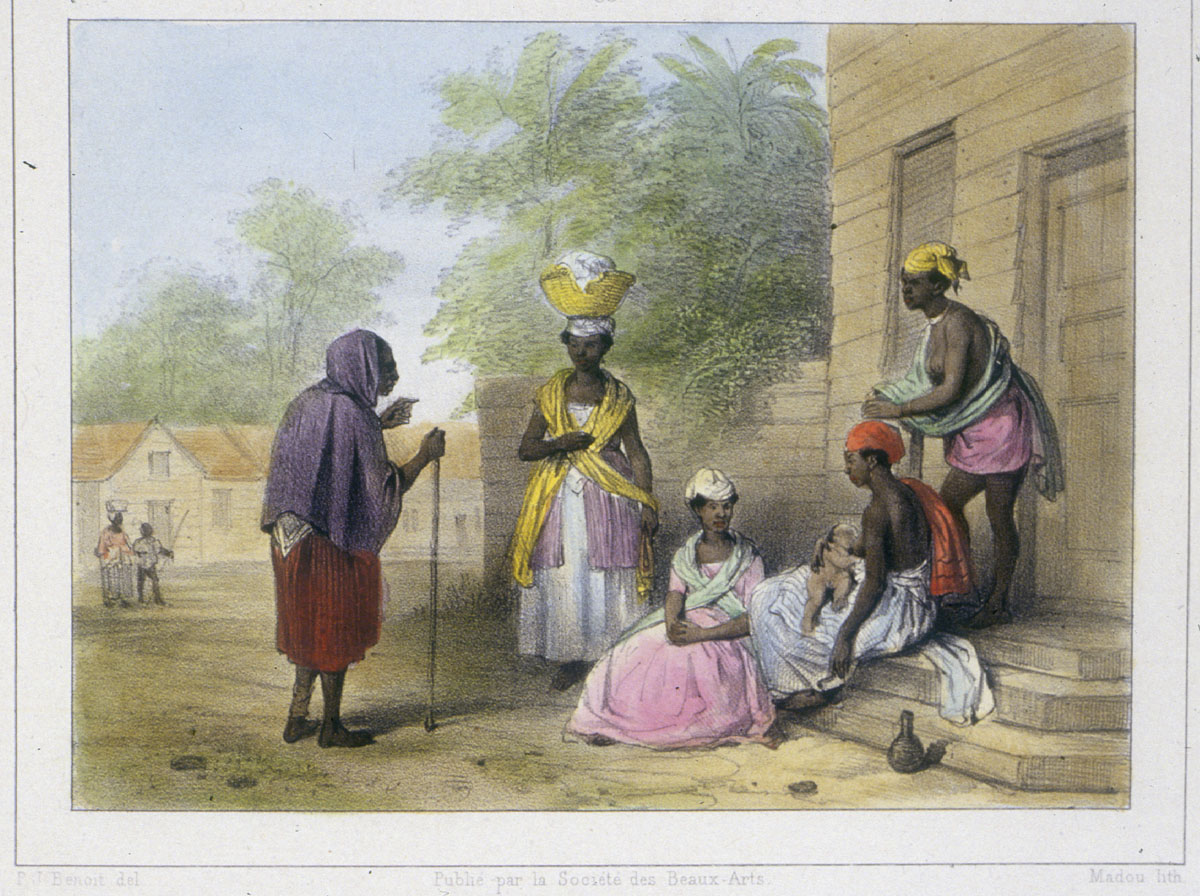
Santo Domingo Creoles Wearing the Tignon

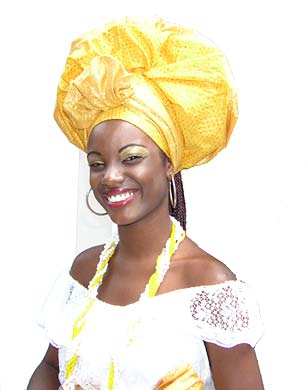
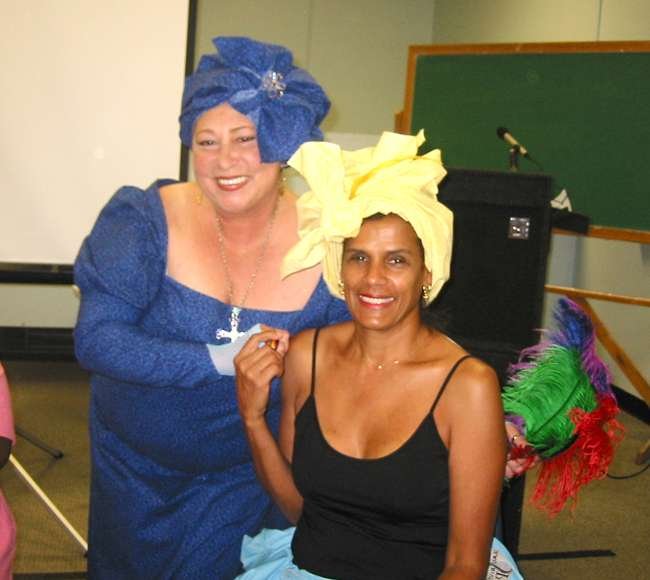
Modern day Dominicans


Not long after the founding
of New Orleans in 1718, the French colonists introduced a slave law (the 1724 Code Noir)

which forced newly arrived Africans into a lifetime of servitude. The first Africans & people of color according to ship documents arrived in Louisiana in 1709.

According to the Code Noir, a mother's slave condition passed to her newborn infant.

Other provisions forbade slaves from owning property, holding office, or marrying or cohabiting with whites. Slaves could not obtain their freedom without the permission of the colony's governing body nor could not testify for or against whites.

In New Orleans, however because
of the scarcity of European women and the city's early dependency on black soldiers and skilled laborers prevented the Code Noir's strict enforcement. Extramarital relationships between French and African settlers evolved into an accepted social practice.

The custom of freeing the children of such unions and a policy of liberating enslaved soldiers and workers for outstanding service and the arrival of free people of color from Haiti, Cuba & other Caribbean colonies led to the rise of a free black population.

Through inheritance, military service, and a near monopoly of certain skilled trades, free blacks acquired wealth and status. A three-tiered racial order developed with whites at the top, free blacks in the middle, and slaves at the bottom.


In British North America, a different racial order developed. In law and in custom, English colonists cut off Africans and African Americans from white society.

English restrictions on manumission confined blacks, as far as possible, to a slave condition. In the English colonies, a sharply defined color line produced a two tiered racial order with whites on top and blacks, both slave and free, at the bottom.

Maria Laveaux

When Spain acquired Louisiana in 1763, the Spanish slave code introduced the practice of coartación, the right of slaves to purchase their freedom.

The policy of self-purchase originated in the Spanish perception of slavery as an unnatural human condition. In this view, enslaved persons had a right to aspire to freedom and to own property . Coartación became a

crucial means of emancipation. Near the time of the Louisiana Purchase of 1803, New Orleans free blacks constituted nearly 20% of the urban population while enslaved Africans and African Americans represented nearly 38% of the city's residents.

By 1786, the increasing assertiveness of black New Orleanians and the growing numbers of free blacks alarmed Spanish officials. The then Spanish Governor attempted to restrict black mobility by suppressing free black assemblies and banning concubinage.

He prohibited slaves from renting apartments, buying liquor, or dancing in public squares on days of religious obligation. Miró criticized black women for their "idleness," "incontinence," and "libertinism" and demanded that they renounce their "mode of living." He threatened to punish Afro-Creole women wearing feathers, jewels, or silks and he prohibited all headdresses.

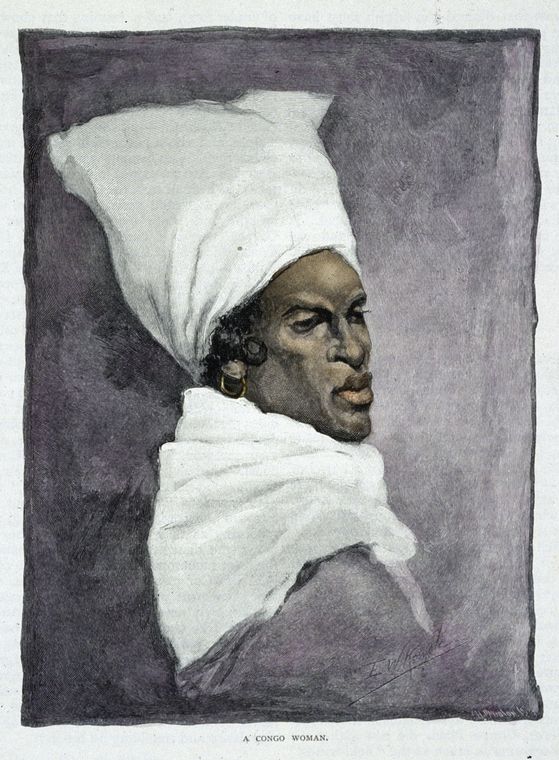
It was then that new decree required Creoles, people of color & black women to wear their hair bound in a tignon (kerchief) as a badge of their lowly status in colonial society.

These women fought the new restriction by wearing elaborately designed and brilliantly colored tignons. The practice continued into the 19th century. Afro-Creole women at Grima House undoubtedly wore such headdresses.

All Photos Provided courtesy.. New York Public Library..The Smithsonian Institute and the Library of Congress also courtesy of individual related web sites


  Creole Culture
  Art / Theater
  Creole Survival
  Food
  Geneology
  Language
  Literature
  Louisiana People
  Music Events
  Entertainment
  New Orleans
  Military Achiev.
  Politics
New World Creoles


mulatto Girl
Louisiana Afro/ Creole
Creoles start from the beginning ot time


Questions, Comments, Dead Links? Email Webmaster
**All articles taken from selected reading materials are the sole property of the authors listed. In no way are these articles credited to this site. The material presented is only a brief presentation of writings from the publisher & producer of each article.
Copyright French Creoles of America®, All Rights Reserved