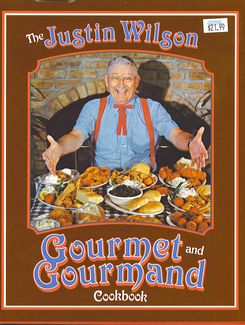
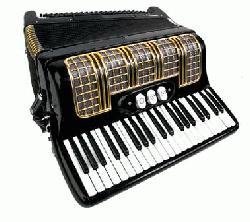
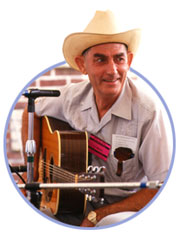
| Despite its current popularity, Cajun music has evolved through some lean years. Around the turn of the century Cajun was a predominently fiddle based music played at house dances (bals de maison) and fais-do-dos (named for the seperate room where children could be rocked to sleep). In the early 1900's, the diatonic accordian was adopted and by the thirties the music began to move out of homes and into dance halls and bars. |
| Traditional Cajun music suffered its first major blow at this time, when popular swing and country styles heard on the radio supplanted the older styles. The accordian was abandoned in favor of electric and steel guitars. In the late forties accordian-based music enjoyed a brief renaissance, spurred by Cajun hero Iry Lejeune. The boom was short-lived, however, as the banning of French in public schools, the oil boom, and improved roads and communication |
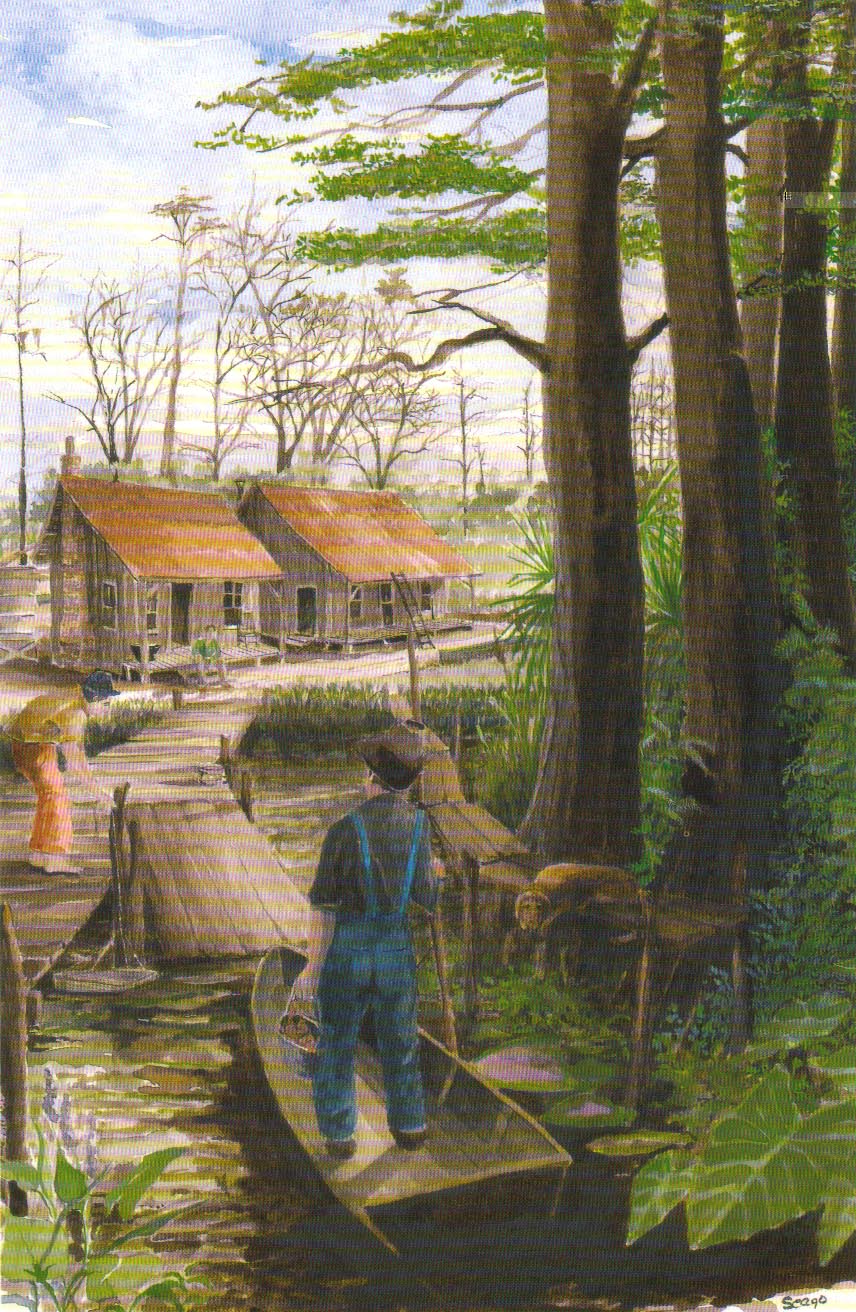
| began to take a toll on traditional Cajun folkways. By the Eisenhower era "Cajun" had become a mainly deprecatory term and the music, like the Cajun-French languge, was shunned by socially conscious Cajuns and non-Cajuns alike. The flowering of Cajuns music since the sixties can be attributes to many influences: folklorists who brought artists like Dewey Balfa before a national audience, stubbornly indepedent Cajun record men, the Council on Development of French in Louisiana, and the musicians who never gave up. |
| Due to the efforts of these people, the music can now be heard in a wide variety of styles and venues. Whether it is fiddle and squeeze-box waltz, pounding piano-accordian rock, or pedal-steel swing, Cajun music is still dance music made by working people who play as hard as they labor. |
|
|
(Music
is loading... only takes 30 seconds on 56k modem)
|
|
|
Cajun
Music
|
| Louisiana Cajuns |
|---|
![]() |
![]() |
![]() |
![]() |
|---|---|---|---|
Justin Wilson |
The Cajun Band
|
D.L. Menard |
|
Taken from:
"Cajun Country Guide"
Macon Fry and Julie Posner